Can Cataracts Return After Surgery? Expert Answers


Content By-Saunders Stephansen
You could believe cataracts can return after surgical procedure, however that's not fairly the situation. The cloudy lens is changed with a clear man-made one, removing the original concern. Nonetheless, some individuals notification familiar signs and symptoms later. What could be triggering this? Understanding Cataract Surgery Aftercare of your vision after surgical treatment is important. Let's explore why these modifications take place and what you can do concerning them.
What Occurs to Your Vision After Cataract Surgical Procedure?
After cataract surgical treatment, you could notice significant enhancements in your vision, as the cloudy lens is replaced with a clear fabricated one. Several people experience boosted quality and illumination, making colors show up even more vibrant. You may discover reading easier and enjoy better night vision.
Nevertheless, it's normal to have some variations in your vision during the healing procedure. You may notice some blurriness or pain at first, yet these signs and symptoms usually boost with time. Follow your surgeon's post-operative care instructions to ensure optimal recuperation.
Your eye might take a couple of weeks to completely change, so hold your horses. In general, you can expect a favorable transformation in your vision, improving your day-to-day tasks and total lifestyle.
Why Do Some Clients Experience Cataract Signs Again?
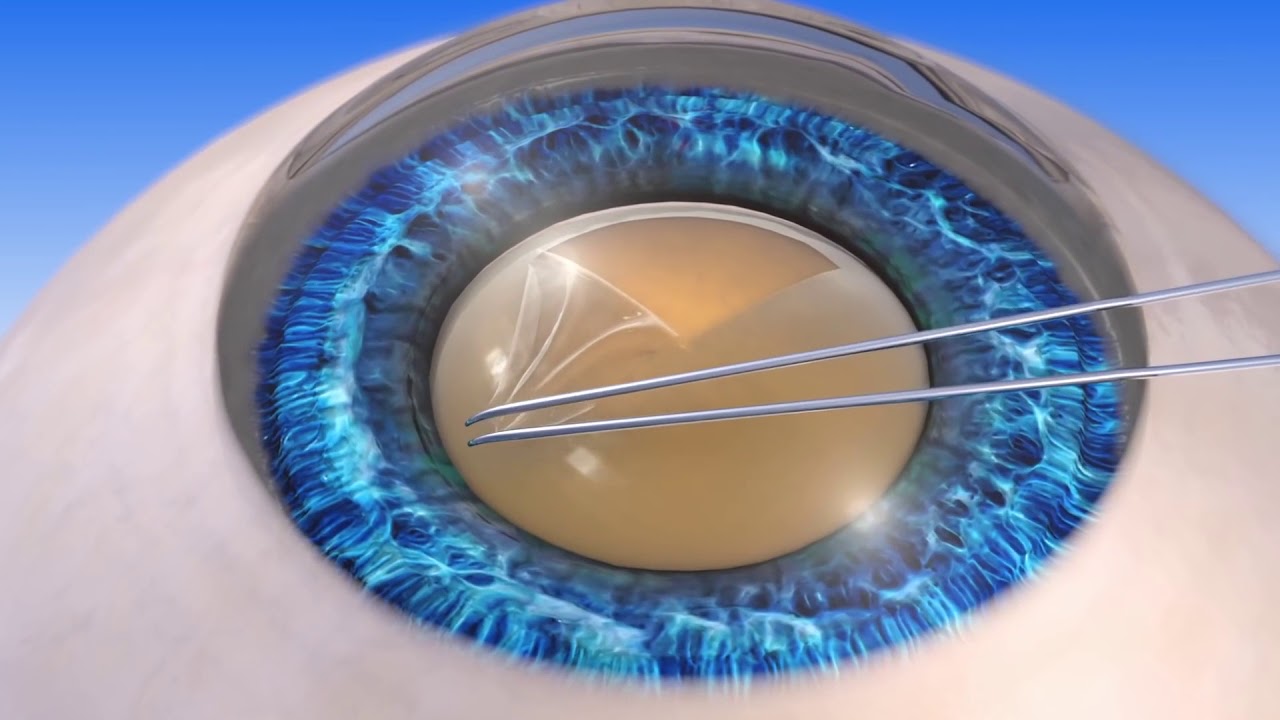
While cataract surgical procedure typically leads to remarkable vision renovation, some clients find themselves experiencing cataract symptoms again in time. This can happen because of a problem called posterior pill opacification (PCO), where the slim membrane layer holding the lens becomes cloudy.
It's not a reoccurrence of cataracts yet a common adverse effects of surgical procedure. You may notice obscured vision, glare, or difficulty seeing in reduced light as PCO creates.
An additional factor can be age-related changes in the eye, which might impact your vision even after surgical procedure. If Book Cataract Consultation start to discover these signs, it's necessary to consult your ophthalmologist.
They can carry out a straightforward outpatient procedure to remove the cloudy membrane layer and restore your vision.
Just How to Manage Adjustments in Vision Post-Surgery?
Experiencing modifications in vision after cataract surgical treatment can be discouraging, specifically if you have actually previously enjoyed clear sight. To handle these changes, start by participating in all follow-up appointments. Your optometrist can monitor your development and address any type of worries.
If you're handling glare or halos, consider utilizing sunglasses with a polarizing lens to reduce pain.
Keeping a healthy and balanced lifestyle can likewise aid; consume nutrient-rich foods and remain hydrated. If you see consistent blurriness, don't be reluctant to connect to your doctor. They may suggest new glasses or other corrective actions.
Last but not least, endure on your own; it might take time for your vision to stabilize. Count on the procedure and connect honestly with your medical care team for the very best end results.
Conclusion
In recap, while cataracts themselves won't return after surgical treatment, you might experience similar symptoms because of posterior capsule opacification (PCO). Remaining cautious with regular eye check-ups is vital to capture any type of adjustments in your vision early. If you discover blurred vision or glow, don't be reluctant to reach out to your optometrist. With prompt therapy, you can maintain clear vision and appreciate life without the cloudiness that when affected your sight.